SANTO NIÑO DE TERNATE AND ITS FESTIVITIES/TRADITIONS
By: Dindo Mojica, C.E.,
M.Eng
Updated: January 31, 2016
Updated: January 31, 2016


PROGRAM/INVITATION:


Baña de Santo Niño de Ternate
(The Bathing of the Holy
Child Jesus of Ternate )
(Ang Pagpapaligo sa Mahal na
Poong Santo Niño de Ternate)
December 31, 2015
The
Baña de Santo Niño de Ternate (The Bathing of
the Holy Child Jesus of Ternate) is a tradition which dates back to 1663. This
annual tradition (Ang Pagpapaligo sa
Mahal na Poong Santo Niño de Ternate) is being held every 31st day of the
month of December. The Santo Niño de Ternate is taking a bath and changes his
dress for the upcoming town fiesta (of the Municipality
of Ternate , Cavite
One
of its old traditions is that giving the Santo Niño a bath annually before the
New Year’s Eve. It was believed that the water that was used to bath the Santo
Nino can cure many illnesses, where the perfumed water used to bathe the Santo
Niño is placed in bottles and distributed to the faithful/devotees.

With Father Nestor P. Chavez and Ternate Municipal Councilor Khalil Lorenz Soberano
conducting the Baña de Santo Niño de Ternate


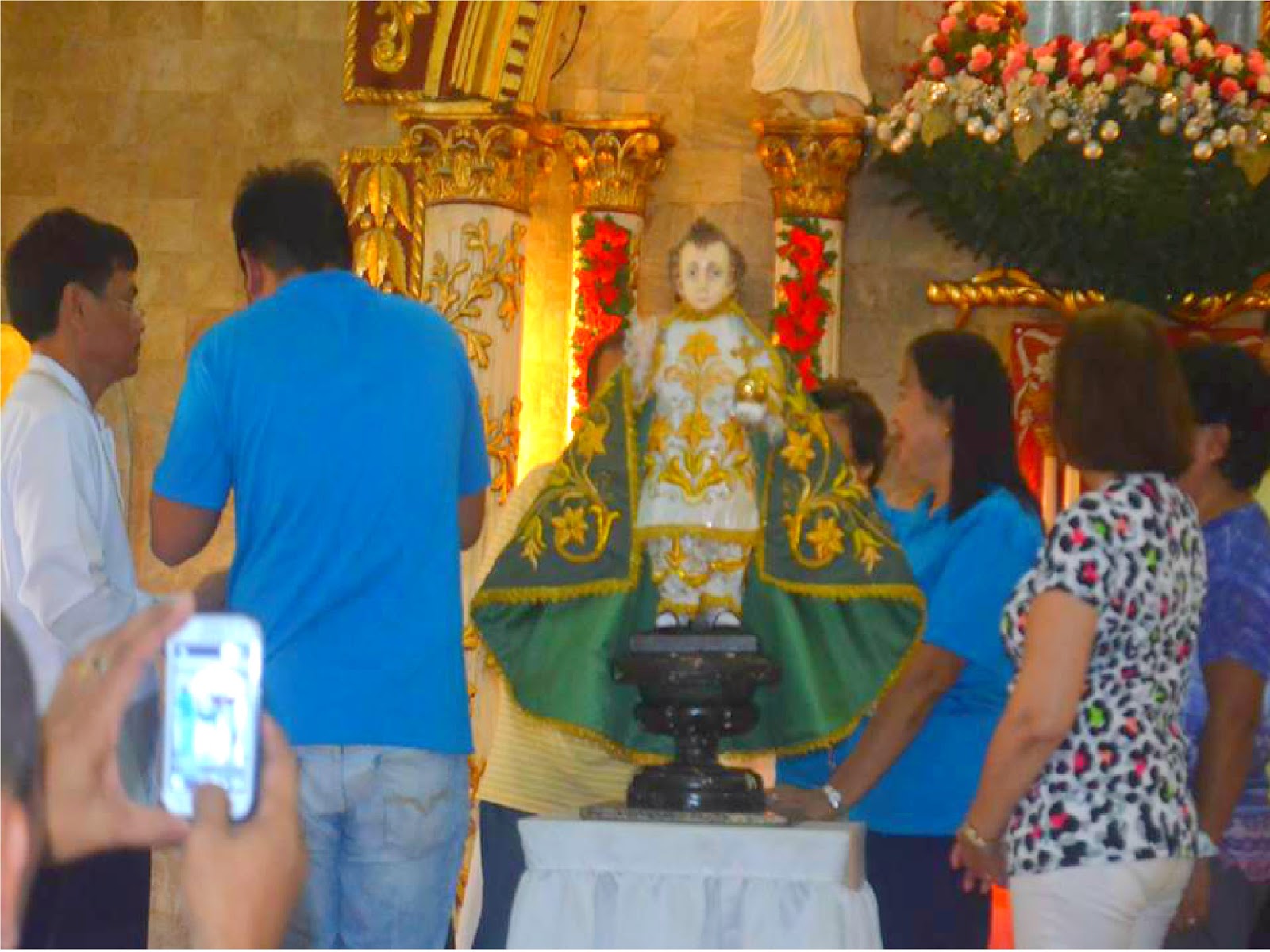


The water that was used to bath the Santo Nino
(gave to Parishoners after the Ceremony)
Youtube:
Bathing of Santo Nino de
Ternate December 31, 2015 (Part1)
Bathing of Santo Nino de
Ternate December 31, 2015 (Part2)
Photos:
Catholic


Aglipayan


Atavio de Santo Niño de Ternate
(The
Ritual Robing of the Holy Child Jesus of Ternate )
(Ang Pagbibihis sa Mahal na
Poong Santo Niño de Ternate)
Atavio
is a Spanish term which means robing or pagbibihis, to dress up or put on the
vestments. The rite of the dressing of the statue of Santo Niño de Ternate is an old tradition that conducts every New Year’s
Eve or December 31 after the Baña de Santo Niño de Ternate ceremonies (The Ritual
Bathing of the Holy Child Jesus of Ternate) and changes his dress for the
upcoming town fiesta (of the Municipality of Ternate, Cavite) on January 5-6.
The
Santo Niño de Ternate changes its dress every last Sunday of the month for
Catholics and for Aglipayans, more than a month or depending on the schedule
and the availability of the person who will sponsor the robing of the Santo
Niño de Ternate.
The Ritual Robing of the Holy Child Jesus of Ternate
The Ritual Robing of the Holy Child Jesus of Ternate
AFTER CEREMONIES

Picture-taking after the ceremonies
with my friend and a Niño brother, Mr. Jeffrey Rollon
Flickr (more photos at:)
Kapatiran sa Santo Niño de Ternate
(Brotherhood/Sisterhood to the Holy Child Jesus)


Usually,
you must register to the Kapatiran ng Mahal na Poong Santo Niño de Ternate
annually (during fiestas/feast days). You may place an amount of money (donation)
to the Santo Niño de Ternate and you may state your intentions to the Holy
Child Jesus. It includes the receipt/petitions to the Santo Niño, a card with a
picture of Santo Niño (at the back is the song for the Santo Niño) and the
bottled perfumed water of the Santo Niño’s bathe (if it’s still available due
to many devotees/while supply lasts)

Front Card

Back Card

Donation Receipt
Caracol/Karakol/Religious
Procession Dance
January 5
The Beginning of the Celebration of the Feast of the Santo Nino de Ternate.
The original image of the Santo Nino de Ternate was brought outside of the church on 1 pm and will return to the church on 5 to 6 pm for the Karakol. After the Karakol, the last Day of the Novena of the Santo Nino de Ternate will be conducted. It will be followed by the Holy Mass and after the Holy Mass, Santo Nino de Ternate will change its vestments.
The
Caracol Festival in honor of the Santo Niño de Ternate
Karakol
is a religious procession dance performed during fiestas. It features a fluvial
procession performed by folk music played by a brass band or a recorded music
(mobile sound system) and street dancing by children, teenagers, and women in
fancy dress and hat. . As the image of the Holy Child was brought out of the
church, the karakol will start with a parade of performers (usually devotees,
and locals) going to the town proper while dancing to effervescent music to
show their sincere devotion to the Holy Child and will end at Maragondon River
(in Barangay San Jose) for the fluvial procession.
The
image of the Santo Niño de Ternate is said to have been brought by Jesuit
missionaries from the Group of Moluccas Islands in Indonesia
(also known as Spice Islands in History books) to Cavite
where Malay settlers, including the Sepoys from India
The
Holy Child Jesus of Ternate Caracol conducts every January 5, the eve of the
Patron’s feast for the Catholics and for the Aglipayans, they conduct the
Caracol on every Feast Day of The Holy Child Jesus of Ternate (January 6)
More information about the culture of
Karakol:
Actual Karakol (Catholic)
January 5, 2016 Karakol
Karakol is a religious procession dance performed during fiestas. It features a fluvial procession performed by folk music played by a brass band or a recorded music (mobile sound system) and street dancing by children, teenagers, and women in fancy dress and hat. . As the image of the Holy Child was brought out of the church, the karakol will start with a parade of performers (usually devotees, and locals) going to the town proper while dancing to effervescent music to show their sincere devotion to the Holy Child and will end at Maragondon River (in Barangay San Jose) for the fluvial procession.


The
feast of Santo Niño de Ternate is celebrated annually on January 6. Since the
Santo Niño de Ternate is widely known for the many miracles attributed to it,
religious devotees from all over Cavite as well as from neighboring provinces (Batangas,
Bataan and Rizal Provinces specifically) flock every year to Ternate
to attend the patron saint’s feast day.


The image of the Santo Niño de Ternate had changed his vestments on January 5,
after the caracol and holy mass in his honor
 Santo Niño de Ternate (Catholic)
 Santo Niño de Ternate (Aglipayan)
Source: https://www.facebook.com/omeymojica/videos/837620289610727/
Source: https://www.facebook.com/omeymojica/videos/837717556267667/
Source: https://www.facebook.com/omeymojica/videos/837699299602826/


THE REPLICA


PROCESSION:


Karakol last January 5, 2014
The fluvial parade after conducting Karakol
(crossing Maragondon River at Barangay San Jose)
Actual Karakol (Aglipayan)
Karakol and Fluvial Parade
FEAST DAY OF THE HOLY CHILD JESUS OF TERNATE
(Ang Kapistahan ng Mahal na
Poong Santo Niño de Ternate)
Holy
Mass will be celebrated as early as 4 am followed by Holy Mass at 5 am, 6 am,
7am and 8 am (depending on the schedule). The Con-celebrated Mass will be
conducted at 9:30 am and led by the Holy Bishop of the Diocese of Imus with the
clergy of the Diocese. At 6 pm, Holy Mass will be celebrated. After the Holy
Mass, the Procession of the image of the Blessed Virgin Mary and the Santo Nino
de Ternate will be conducted. On the start of the procession, fireworks display
is usually held and usually provided by the Parishioners and Devotees of the
Santo Nino de Ternate.


after the caracol and holy mass in his honor


PROGRAM/INVITATION:
THE REPLICA


PROCESSION:
HERMANIDAD DE SANTO NIÑO DE TERNATE
(Confraternity
of the Holy Child Jesus of Ternate )
January 24, 2016
3rd
Sunday of January
Celebrating
the feast of Santo Nino by a Mass in his honor. Every year, a child (boy) acts
as the Hermano Mayor. A Mass for the families of the Hermano Mayor was held in
the morning and in the dusk before the procession. The Hermano Mayor is usually
dressed in formal wear to the Mass in the morning and dress like the image of
the Santo Nino clothing image of the Mass and procession at dusk. After the
procession, the transfer of Bara Alta was held to the next Hermano Mayor led by
the parish priest.
Hermanidad
is a Spanish word which means Brotherhood. The feast of the Holy Child Jesus as
celebrated by the people of Ternate, Cavite
Catholic:


THE PROCESSION:


Hermanidad de Santo Nino de Ternate (Catholic) 2016
Aglipayan:


Hermanidad de Santo Nino de Ternate (Aglipayan) 2016
AWIT SA SENOR SANTO NINO DE TERNATE
(A Song for the Holy Child Jesus of Ternate)
ni/by: JOHN ASHLEY N. MORALES